





ACM PE panels, ACM FR panels and other variations
ACM PE panels, is short for Aluminium composite material rainscreen panels with a polyethylene core. These are a relatively standard construction product with a long complex history, they also became infamous for their use on the Grenfell tower tragedy. For a detailed look at the developments and changes in their use, see the article ACM cladding.
ACM is a generic term for all types of cladding systems, which are essentially two or more layers of aluminium sandwiching and insulation product, of which there are many variations. Many consider a key element as being the type of insulant or core that is used, which is often (but not always) reflected in the product name. ACM PE; refers to the polyethylene core, ACM PUR; refers to a polyurethane core and ACM FR normally refers to a mineral filled thermoplastic. FR in this case perhaps less descriptive of the actual material make-up stands for Fire Resistance, which is generally achieved by using a mineral filler in the thermoplastic. Other ingredients might also be used in the make-up of the, often, predominantly thermoplastic material such as fire retardants, additives and thermoplastic modifications, all of which can impact both thermal and fire resistance properties.
Mineral or inorganic fillers for the thermoplastics used in ACM cores, fill cells in the thermoplastic helping to improving fire performance, however the percentage of mineral filler can vary from between 5-50%, in comparison with the percentage of thermoplastic, and the data relating to make-up is not always clearly stated.
Whilst the make up of the core can significantly alter the resistance to fire, the panels do primarily rely on the metallic skin to protect the inner core from weathering and from exposure to fire. ACM's are a popular product because of their preciseflatness, variety of surface finishes, colours, textures and so on, they are light weight and flexible. However, incorrect cutting, installation and location of firebreaks between the panels can expose the inner core from the sides or corners, impacting fire resistance, and during a fire, it is possible for the panels to delaminate, exposing the core material.
The University of Queensland, Australia have tested and studied a number of different cladding system and published their results in a library https://claddingmaterialslibrary.com. This library lists some 80 plus products that have been tested, many of which are ACM products, of the those products the library highlights slight variations in the make up of the differing products (even where the descriptive names such as ACM PE or ACM FR remain the same). Some of these are listed below, for further information and detailed results visit the library here:
- ACM with predominantly polyethylene core (ACM PE)
- ACM with predominantly polyethylene and a fire retardant (ACM PE)
- ACM with a mineral (or in organic material) filled thermoplastic core (type of thermoplastic used is often undefined) (ACM FR) FR standing for fire resistant.
- ACM with predominantly polyethylene modified with vinyl acetate (PE-VA)
- ACM with predominantly polyethylene modified with vinyl acetate (PE-VA), a fire retardant, and / or an inorganic filler.
- ACM with predominantly polyethylene (PE) with ethyl vinyl acetate (EVA) copolymer, a fire retardant, and an inorganic filler
Featured articles
Check out some of the best features and news from Designing Buildings as well as key stories from around the web.
Connecting knowledge, technology and conservation
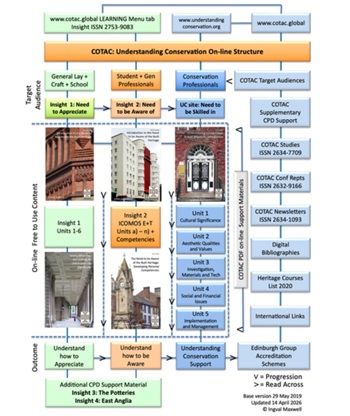
Building competence for the future of built heritage.
Building Regulations and Building Safety Act

CIOB publishes free advice for non-domestic clients.

Building Safety Newsletter from MHCLG.
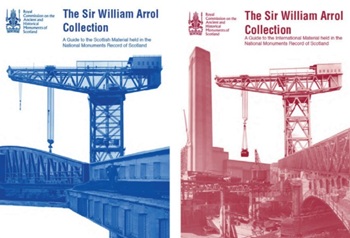
An extraordinary record of steel engineering worldwide.

Households living near new pylons to save on bills.

ECA warns growth must not outpace grid capacity or skills.
The role of the client and decision making

CIOB response to built environment professions call for evidence.
Construction's sustainability reporting revolution
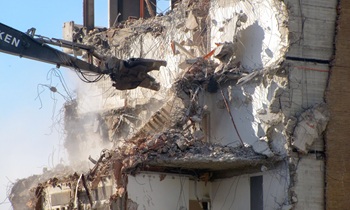
Tracking upfront embodied carbon with digital tools.
ECA welcomes procurement reforms

Public spending must back British jobs and skills.
Campaigning for Edinburgh: the Cockburn Association 1875-2049

The role of the civic voice in protecting character. Book review.

CIOB photography competition is open for entries.
ECA Edmundson apprentice of the year award
Finalists announced.